






















4 Things That Can Make Musicians Frustrated and How to Handle Them
Discover 4 common things that can make musicians frustrated, from financial pressure to business knowledge and trying to build a career alone.

Please listen to this song for 10 seconds before you continue. Your support helps us support young talent.

Discover 4 common things that can make musicians frustrated, from financial pressure to business knowledge and trying to build a career alone.

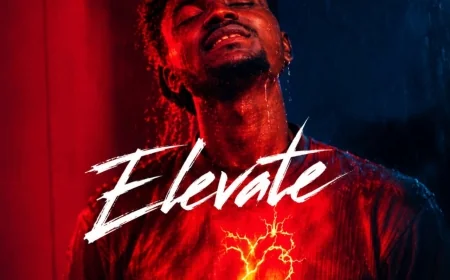
Elevate by Barkish mans is all about motivating the youth to believe in myself a...
Building a music career can be exciting, but it can also be frustrating. You can spend weeks writing songs, recording, promoting your music and trying to grow an audience without seeing the results you expected.
For musicians in Nigeria, there can also be pressure from everyday expenses, limited resources and the need to build an audience while developing the business side of a career.
Frustration does not necessarily mean that you are on the wrong path. Sometimes, it is a sign that something about the way you are approaching your career needs to change.
Here are four things that can make musicians frustrated and some practical ways to handle them.
One of the biggest sources of pressure can be expecting music to immediately provide all the money you need.
Music careers often take time to develop. An artist may need money for recording, artwork, videos, distribution, promotion, transportation, equipment and other expenses before the music begins generating meaningful income.
When every expense depends on music income that has not yet become consistent, each unsuccessful release can feel much more serious.
Imagine an artist who needs their next song to pay their rent, fund another recording session and cover everyday expenses. Instead of simply focusing on making a good song, they may constantly worry about how quickly it needs to generate money.
Having another legitimate source of income can reduce some of that pressure.
That income could come from employment, freelancing, a small business, creative services or another skill. The important point is that it provides financial support while the music career is developing.
This does not mean taking music less seriously. For some independent artists, financial stability can actually make it easier to continue investing in music consistently.
Making good music is only one part of being a professional musician.
There are business decisions surrounding distribution, royalties, publishing, contracts, licensing, promotion, collaborations and revenue sharing. If an artist does not understand these areas, it can become difficult to know whether an opportunity is actually beneficial.
For example, an artist might receive an offer to work with another person but not understand what percentage of the revenue they are giving away. Another artist might release music without understanding how different rights and revenue streams work.
You do not need to become a lawyer or accountant to start learning the business.
Start with the basics:
When something involves a contract, significant money or ownership of your work, getting advice from an appropriately qualified professional can also be useful.
The more you understand, the easier it becomes to make decisions based on information rather than pressure.
Independent musicians often have to wear several hats. You may be the artist, songwriter, social media manager, promoter, content creator and sometimes even your own photographer.
Doing some of these things yourself can be useful, especially when your budget is limited. However, trying to handle everything indefinitely can become exhausting.
Music is also a collaborative industry. Depending on your goals, you may eventually work with producers, graphic designers, photographers, videographers, marketers, managers, distributors or legal professionals.
Building a team does not mean hiring everyone at once.
Instead, identify the areas where you struggle most.
If your music is good but you have difficulty creating promotional content, you might eventually work with someone who understands content creation. If you struggle with contracts, professional legal advice may be more appropriate than trying to interpret everything yourself.
You can also collaborate with other upcoming creatives. An artist might work with a photographer who is building their portfolio, while a videographer works with the artist to create content that benefits both sides.
The goal is not to collect people around you. It is to gradually build relationships with people who genuinely contribute to your career.
Another thing that can make musicians frustrated is expecting their career to grow much faster than it realistically can.
An artist may release a song and expect thousands of streams within a few days, gain a large following after one viral post, start making significant money immediately or become widely recognized after only a few releases.
When those expectations are not met, it can feel like something is wrong with the music or the career.
Building an audience can be a gradual process. People may need to discover an artist several times before they become regular listeners or supporters.
A musician may spend months creating content, improving their songs, meeting other creatives and building relationships before seeing significant results.
This does not mean that rapid growth is impossible. Some artists can experience sudden attention from a song, video or other opportunity. However, expecting that result every time can create unnecessary pressure.
Instead of measuring your entire career by streams, followers or how quickly a song becomes popular, pay attention to the things you can consistently improve.
Having realistic expectations does not mean thinking small. It means understanding that a long-term music career can require patience, experimentation and repeated effort.
When you stop expecting every release to immediately change your life, it can become easier to evaluate your progress, learn from your results and continue developing your career without unnecessary pressure.
Every musician's journey is different. Some opportunities will work, while others will not. Some releases may receive attention while others may barely be noticed.
The important thing is to avoid allowing short-term results to determine your entire view of your career.
Build financial stability where possible. Learn how the music business works. Develop relationships with people who can contribute to your journey. And make sure your expectations allow enough room for learning and gradual growth.
Most importantly, give yourself permission to grow gradually.
A music career is more than releasing songs. It involves developing your craft, understanding the business, building an audience and making decisions that allow you to keep creating.
Yes. When an artist depends entirely on unpredictable music income, everyday financial responsibilities can create additional pressure. Having another legitimate income source can provide greater stability while the music career develops.
Start with basic knowledge of music rights, royalties, distribution, contracts, publishing, promotion, collaboration agreements and revenue sharing. The goal is to understand what you are agreeing to before making important decisions.
Not necessarily at the beginning. Many artists handle several responsibilities themselves. As their needs and workload grow, they can gradually work with professionals or collaborators in areas where they need additional support.
Yes. Expecting every song to become successful quickly can create unnecessary pressure, especially when the results do not match those expectations. Setting realistic short-term goals can make it easier to measure progress and learn from each release.
There is no single solution, but musicians can consider developing additional income sources, controlling unnecessary expenses, learning the business side of music, building a reliable network of collaborators and setting realistic expectations about how their careers may develop.
 Like
0
Like
0
 Dislike
0
Dislike
0
 Love
0
Love
0
 Funny
0
Funny
0
 Angry
0
Angry
0
 Sad
0
Sad
0
 Wow
0
Wow
0
