
















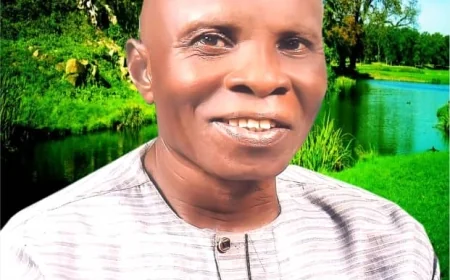










Biography of 2sharp Ìlèkè – Age, Career, and Early Life
Discover the inspiring biography of 2sharp Ìlèkè (Alabi Oluwole Johnson), a legendary Nigerian musician from Ekiti, with over 30 songs and a music career spanning decades.
Share To Your Friends👇


Big LaLa X Activate - Freemanian
Freemanian” is a bold anthem of liberation — a street-born declaration of indepe...

Introduction – The Story of a Yoruba Music Icon
In the rich tapestry of Nigerian music, certain artists stand out for their originality, cultural pride, and longevity. One of such iconic figures is 2sharp Ìlèkè, born Alabi Oluwole Johnson — a veteran artist whose name echoes across Yoruba music circles and beyond.
With a career that began in 1997, over 30 songs, and a signature blend of traditional and modern rhythm, 2sharp Ìlèkè has become a respected figure in Nigeria’s indigenous music scene.

Born in 1977 in Ikere-Ekiti, Ekiti State, and raised in Ibadan, Oyo State, 2sharp Ìlèkè represents the perfect balance between cultural authenticity and musical evolution. His hit debut track “Omo Lepa” marked the beginning of a journey that would influence countless upcoming artists and preserve the Yoruba sound in a modern era.
Early Life and Background
Alabi Oluwole Johnson, known professionally as 2sharp Ìlèkè, was born in Ikere-Ekiti, a historic town in Ekiti State, Nigeria, known for its deep cultural traditions and creative spirit. Growing up, young Oluwole was surrounded by music, drumming, and local performances — the kind that bring families and neighbors together in joy.
Music was more than entertainment in his community; it was a way of life. From weddings to festivals, he absorbed the sounds of Yoruba folk songs, juju, and Fuji — genres that celebrated storytelling, spirituality, and rhythm.
When his family later moved to Ibadan, Oyo State, he was exposed to even more diverse musical influences. Ibadan, a cultural hub for Yoruba entertainment, introduced him to live bands, street performers, and record shops that played legends like King Sunny Ade, Ebenezer Obey, and Wasiu Ayinde.
These experiences shaped his taste, passion, and determination to make his own mark in music.
The Beginning of His Musical Journey
2sharp Ìlèkè’s official music career began in 1997, a time when Nigeria’s indigenous music was evolving to include modern instruments and urban flavor.
He started out performing in small events, neighborhood parties, and local radio shows. His voice and charisma quickly caught attention — he wasn’t just another singer; he was a storyteller with rhythm in his soul.
In the same year, he released his first official track, “Omo Lepa.” The song became a local favorite, gaining airplay in Ibadan and parts of Ekiti and Lagos. It introduced him as a fresh voice in Yoruba-inspired music, blending traditional percussion with a modern groove.
“Music chose me,” 2sharp Ìlèkè once said. “It’s something I was born to do, not just something I learned.”
About His First Track – “Omo Lepa”
The debut track “Omo Lepa” marked 2sharp Ìlèkè’s entry into professional music, and it remains one of his most recognized songs to date.
Song Details:
-
Title: Omo Lepa
-
Year of Release: 1997
-
Genre: Yoruba Traditional / Contemporary Afro
-
Language: Yoruba and Pidgin English
-
Theme: Youth culture, beauty, and pride
“Omo Lepa” celebrates the slim and stylish Yoruba lady, using humor and lively rhythm to capture everyday street life. The song’s catchy hook, local slang, and danceable beat made it an instant hit.
It also demonstrated 2sharp Ìlèkè’s talent for storytelling — a skill that would define his later work.
Rise to Prominence
Following the success of Omo Lepa, 2sharp Ìlèkè became a regular performer in live shows, cultural events, and nightclubs around Ibadan and Lagos. His unique sound — a combination of Yoruba percussion, talking drum, and groovy basslines — earned him fans across southwestern Nigeria.
He developed a reputation for his high-energy stage performances and relatable lyrics that reflect everyday Nigerian life — love, hustle, family, and faith.
His ability to connect with audiences of all backgrounds, from market women to city youths, made him one of the few artists capable of bridging traditional and modern generations.
Musical Style and Influence
2sharp Ìlèkè’s genre, which he calls “Baachanalian Yoruba Groove”, draws inspiration from Afro-Juju, Fuji, and Afropop — blending traditional instruments with electric guitars and digital beats.
His music carries the storytelling style of Yoruba folklore while maintaining the rhythm of modern street anthems. This balance has made his songs timeless.
He credits legends like King Sunny Ade, Fela Kuti, Sir Shina Peters, and Orlando Owoh as key influences, but over the years, he has developed a sound entirely his own.
“I respect those who came before me,” he says, “but I also want my sound to represent today’s Nigeria.”
This philosophy has helped him stay relevant for over two decades.
Discography – Over 30 Songs and Counting
With more than 30 recorded songs, 2sharp Ìlèkè’s career is proof of consistency and dedication. His songs span themes of love, inspiration, social justice, and celebration.
Some of His Notable Songs Include:
-
Omo Lepa (1997)
-
Gbeborun
-
Alaafin Groove
-
Olowo Ori Mi
-
Adura
-
Ijo Yoruba
-
Better Life
-
Omo Iya Teacher
Each track showcases his ability to blend humor with wisdom, melody with message.
His vast catalog reflects his understanding of Nigerian culture and his commitment to preserving it through music.
Influence of Ibadan on His Music
Living in Ibadan, a city that values music, poetry, and performance, had a profound impact on 2sharp Ìlèkè. The city’s traditional gatherings, radio programs, and vibrant nightlife gave him the perfect platform to test and refine his art.
Many of his earliest fans discovered him through Ibadan’s live band scene, where he performed regularly alongside other indigenous artists. The experience honed his stagecraft and solidified his reputation as a performer who connects deeply with his audience.
To this day, Ibadan remains a central part of his identity and sound.
Challenges and Longevity
Over his long career, 2sharp Ìlèkè has faced the same challenges many Nigerian musicians encounter — limited media exposure, financial constraints, and evolving music trends.
However, his adaptability and authenticity have kept him relevant. While new genres like Afrobeats and street-hop dominate today’s charts, 2sharp Ìlèkè continues to attract loyal fans who appreciate meaningful lyrics and live performance.
“Music has changed, but people still love real sound — the kind that tells a story,” he says proudly.
His story proves that true artistry is timeless, and real musicians evolve without losing their roots.
Cultural Impact and Legacy
2sharp Ìlèkè’s impact goes beyond entertainment. Through his music, he has preserved elements of Yoruba language, rhythm, and philosophy, making them accessible to younger generations.
His songs have been used in cultural events, school celebrations, and traditional gatherings, earning him recognition as both an entertainer and a cultural ambassador.
He is also known for mentoring upcoming artists in Ibadan and Ekiti, teaching them about stage presence, lyric writing, and respect for the art form.
“If we don’t teach the next generation, our music will fade away,” he often says.
His humility and leadership make him a respected figure among musicians and fans alike.
Why 2sharp Ìlèkè Stands Out
-
Cultural Authenticity: He proudly promotes Yoruba heritage through music.
-
Longevity: With over two decades in the industry, he remains active and relevant.
-
Consistency: Over 30 songs, each with distinct energy and message.
-
Stage Energy: His live shows are vibrant and interactive.
-
Lyrical Depth: His songs balance humor with wisdom and social commentary.
Few artists manage to stay creative and respected for so long — 2sharp Ìlèkè is one of them.
Personal Life
Beyond music, 2sharp Ìlèkè is known for his simplicity, kindness, and dedication to community growth. Despite his fame, he remains approachable, often participating in local events and mentoring young talents.
He attributes his success to faith, hard work, and the support of his family. His humility and discipline continue to endear him to both fans and fellow artists.
Vision for the Future
Looking ahead, 2sharp Ìlèkè plans to compile his songs into a heritage album celebrating Yoruba music across generations. He also intends to collaborate with younger artists, blending his traditional sound with modern Afrobeats.
He’s currently working on live studio projects and visual documentaries that showcase the evolution of his career.
His dream is to see Yoruba indigenous music take its rightful place on global stages, inspiring pride and unity among Africans everywhere.
Conclusion – The Biography of 2sharp Ìlèkè (Alabi Oluwole Johnson)
The biography of 2sharp Ìlèkè is a story of culture, commitment, and creativity. From Ikere-Ekiti to Ibadan, his journey represents the enduring power of traditional Nigerian music.
With a career spanning over two decades, more than 30 songs, and a deep connection to his Yoruba roots, 2sharp Ìlèkè stands as a living legend in Nigeria’s music heritage.
His debut song Omo Lepa in 1997 set the tone for a lifetime of cultural celebration and lyrical excellence. Today, his influence continues to inspire both veteran and young artists alike.
2sharp Ìlèkè is more than a name — it’s a legacy. His music reminds us that no matter how far modern sounds travel, the soul of Nigerian music will always beat to the rhythm of tradition.
FAQ – Biography of 2sharp Ìlèkè (Alabi Oluwole Johnson)
1. Who is 2sharp Ìlèkè?
2sharp Ìlèkè, whose real name is Alabi Oluwole Johnson, is a Nigerian musician from Ikere-Ekiti, known for blending traditional Yoruba music with modern rhythm.
2. When was 2sharp Ìlèkè born?
He was born in 1977 in Ikere-Ekiti, Ekiti State, Nigeria.
3. Where did 2sharp Ìlèkè grow up?
He grew up in Ibadan, Oyo State, one of Nigeria’s cultural centers.
4. When did he start his music career?
2sharp Ìlèkè began his music career in 1997 with his debut track Omo Lepa.
5. How many songs does 2sharp Ìlèkè have?
He has recorded more than 30 songs, reflecting his long and successful career.
6. What genre of music does he perform?
He performs a mix of Yoruba traditional music, Afro-Juju, and contemporary Afro rhythms.
7. What is his most popular song?
His debut hit “Omo Lepa” remains one of his most beloved and recognizable tracks.
What's Your Reaction?
 Like
0
Like
0
 Dislike
0
Dislike
0
 Love
0
Love
0
 Funny
0
Funny
0
 Angry
0
Angry
0
 Sad
0
Sad
0
 Wow
0
Wow
0


![Olavibz - DailyBread: Inspiring Afrobeat Anthem [2025]](https://spotivik.com/uploads/images/202511/image_140x98_6919ff812c9d5.webp)