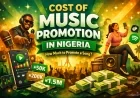







Make Money From Music in Nigeria (2026 Platforms)
Learn music monetization in Nigeria in 2026, real platforms that pay, distributors, royalties, YouTube, publishing, sync, and direct fan income.
Share To Your Friends👇

![Olavibz - DailyBread: Inspiring Afrobeat Anthem [2025]](https://spotivik.com/uploads/images/202511/image_430x256_6919ff806edd1.webp)
Olavibz - DailyBread: Inspiring Afrobeat Anthem [2025]
Download Olavibz-Daily Bread is an inspiring 2025 Afrobeat anthem filled with ho...
How to Make Money from Music in Nigeria in 2026 (Real Platforms That Pay)
If you’re serious about music monetization in Nigeria in 2026, here’s the truth, it’s not magic, and it’s not one upload that “blows.” It’s a system. When your rights are clean and your music is in the right places, money can come in from streams, YouTube, publishing, sync, and direct fan sales.
This guide shows you real platforms Nigerians can use, plus the exact ways income flows so you don’t get stuck with “pending” payments, takedowns, or royalty disputes. If you’re an artist, producer, or songwriter, this is the practical path.
Is music monetization in Nigeria really possible in 2026? (What most artists get wrong)
Yes, it’s possible, but most people expect streaming to feel like salary. Streams usually feel small at first because payouts are split across many parties, and local rates can be lower than what you see in US based examples.
The artists who actually earn steady money do three things well:
- They release consistently, so streams compound over time.
- They use more than one income stream, so one slow month doesn’t kill momentum.
- They set up rights and distribution correctly, so payments can reach them.
Another reality: many platforms and distributors pay in USD, and processing time can vary. Some pay monthly, some quarterly, and some hold funds until you hit a minimum threshold. If your payout method is weak (wrong bank details, name mismatch, unsupported country), your money can sit there.
Also, you only monetize what you own or control. If you used a beat without permission, sampled a song, or uploaded music you don’t have rights to, you’re building on sand. That’s why rights setup decides whether you get paid or get removed.
For context on how big Spotify royalties have become for top African markets, see this Reuters report on rising payouts to Nigerian and South African artists: Spotify royalty payouts to Nigerian, South African artists boom in 2024.
How music money actually flows, from streams to your bank account
Think of it like a water pipe. Fans press play, but your money doesn’t jump straight to your account.
- Listener streams or watches on Spotify, Boomplay, YouTube, and others.
- The platform pays royalties to the rights holders.
- A distributor (for your recording) and a publisher or admin service (for your songwriting) collect those royalties.
- They pay you based on your contract, splits, and payout settings.
In simple terms:
- Master royalties are for the sound recording (the actual released track).
- Publishing royalties are for the composition (songwriting and melody), even if someone else recorded it.
Many artists in Nigeria only set up distribution and ignore publishing, which leaves money unclaimed.
Quick checklist before you try to monetize (so you do not lose money)
- Clean metadata (correct title, artist name, featured artists)
- ISRC and UPC (your distributor usually helps)
- Split sheets agreed early (especially producer and songwriter splits)
- No uncleared samples, avoid “type beat” confusion
- Artwork meets store rules (no random brand logos, no low-res covers)
- Consistent artist name across releases
- Email and phone number you can access long term
- Valid ID that matches your account name
- A payout method that works in Nigeria (and is in your legal name)
One more thing: don’t buy fake streams. It can trigger takedowns, withheld royalties, or account bans.
Real platforms that pay Nigerian musicians in 2026 (streaming, video, and distribution)
Most Nigerian artists earn from streaming through a distributor. You rarely “sign up” to Spotify or Boomplay as an artist and start getting paid directly for audio. The distributor is often the key that unlocks payouts, reporting, and store delivery.
If you want a broad overview of distribution options people discuss locally, this 2026 roundup is a useful starting point: Top Music Distribution Companies for Nigerian Artists (2026).
Streaming platforms Nigerians can earn from: Spotify, Boomplay, Audiomack, YouTube Music
Spotify pays from subscription and ad revenue, then splits it based on share of streams. Focus on repeat listeners, saves, and steady monthly listeners, not one-day spikes.
Boomplay matters because it has strong African reach and local listening habits. Your goal is simple: make music that gets replayed, and promote where your audience already listens.
Audiomack can be strong for discovery and fast growth, especially in genres that move through street buzz and social sharing. Treat it like top-of-funnel, then push fans to follow you everywhere.
YouTube Music is tied to YouTube. Visuals, lyric videos, and consistent uploads help, but retention is what keeps revenue stable.
Per-stream pay varies by country, plan type (free vs premium), and the listener’s region. So don’t obsess over one rate, build volume and consistency.
Africa-friendly platform angle: Mdundo and telco bundles (MTN, Glo partnerships)
Nigeria is mobile-first. That changes the money story.
Platforms that work with telcos can turn low-data listening into legal streams. Mdundo has pushed telco bundle distribution across Africa, and reports suggest it runs regular royalty cycles and has been expanding in Nigeria through partnerships with MTN and Glo. For many local genres, that “small but steady” channel can perform better than you expect.
Distributors that help Nigerians get paid: Fresible, UnitedMasters, ONErpm, Soundrop, AWAL
A distributor uploads your release once, then delivers it to many stores, collects royalties, and reports earnings. The best ones also help with YouTube Content ID, royalty splits for collaborators, and analytics.
- If you want a Nigeria-focused distribution option to explore, review Fresible music distribution.
- If you want an international platform with a Nigeria entry point, see UnitedMasters Nigeria.
Some distributors charge an annual fee, some take a percentage, and some do both. Pick based on your budget and how often you release. If you drop music often, fees may make sense. If you’re testing the waters, a revenue-share plan can be safer.
Spotivik for instant monetization in Nigeria (what to check before you commit)
Spotivik positions itself as Nigeria-friendly, with a focus on quick monetization and local relevance. Before committing to any platform, check for three things: clear terms, a visible payout schedule, and real support response time.
Also review proof points inside their own breakdown and decide if it fits your plan. Start here: Spotivik earnings breakdown for uploading music in Nigeria.
7+ proven ways to make money from music in Nigeria in 2026 (step by step)
Here are practical moves you can take this week. The goal is stacking income, not praying for one cheque.
- Streaming royalties (audio): Release consistently, pitch your song, and push fans to save and replay. Don’t disappear for six months.
- YouTube ads plus Content ID: Upload official audio and visuals, then activate Content ID so you earn when fans use your sound. Watch out for reused content claims.
- Publishing royalties (songwriting): Register songs and splits early, then use a publishing admin to collect globally. Split disputes are where money goes to die.
- Sync licensing (films, ads, games): Build clean instrumentals and radio edits. If you want a Nigeria-focused route into sync and rights admin, check Afrosoundtrack. Read contracts carefully, sync can include exclusivity.
- Live shows and bookings: Create a simple performance set, clean backing tracks, and a one-page press kit. Avoid fake promoters, collect a deposit.
- Brand deals and UGC usage: Make short hooks that creators can use, then price usage properly. Don’t sign away your voice or likeness forever.
- Sell beats or services: Producers can sell beat leases, mixing, mastering, or toplines. Use clear terms so one client doesn’t resell your work as “exclusive.”
- Direct-to-fan sales: Digital downloads, merch, fan subscriptions, and paid WhatsApp communities work when you have trust and consistency.
A simple example: if you earn small amounts from streaming, YouTube, one monthly beat sale, and one paid show, you stop relying on a single platform. It’s like having multiple taps filling one bucket.
Conclusion
Making money from music in Nigeria in 2026 is real, but it works best when you combine platforms and protect your rights. Set up one distributor, get serious about YouTube monetization, sort out your publishing, and release on a schedule you can maintain.
If you want a Nigeria-focused option to start uploading and monetizing, upload on Spotivik, and read the earnings breakdown page linked earlier before you publish. Consistency beats virality when you’re building income that lasts.
FAQ: Music monetization in Nigeria (2026)
Can Nigerian artists get paid from Spotify?
Yes, usually through a distributor that collects royalties and pays you based on your payout settings.
How much does 1 million streams pay in Nigeria?
It varies by platform and listener location. Estimates can be modest locally, so aim for volume and multiple income streams.
Do I need a distributor for Boomplay and Spotify?
In most cases, yes. A distributor delivers your music to stores and handles royalty collection.
What is YouTube Content ID, and why does it matter?
It helps you earn when others use your music in their videos, even if they uploaded the video, not you.
How do I avoid royalty disputes with producers and collaborators?
Agree splits early, write it down (split sheet), and keep consistent metadata when uploading.
Is sync licensing realistic for Nigerian artists?
Yes, if your rights are clean and your music fits brief needs. Platforms like Afrosoundtrack can be a starting point for rights and sync opportunities.
What's Your Reaction?
 Like
0
Like
0
 Dislike
0
Dislike
0
 Love
0
Love
0
 Funny
0
Funny
0
 Angry
0
Angry
0
 Sad
0
Sad
0
 Wow
0
Wow
0





![Olavibz - DailyBread: Inspiring Afrobeat Anthem [2025]](https://spotivik.com/uploads/images/202511/image_140x98_6919ff812c9d5.webp)