















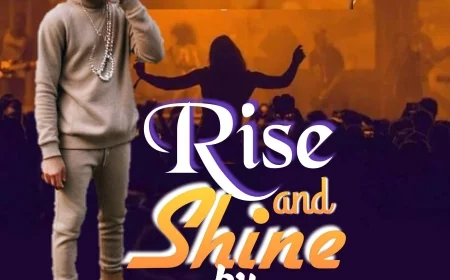













At its core, the song is a thanksgiving offering—one that draws from both linguistic richness and rhythmic tradition to communicate reverence for God’s greatness. Its fusion of English and Efik languages not only broadens its accessibility but also preserves a deep connection to the heritage of the Efik people, an ethnic group rooted in the coastal regions of southeastern Nigeria.
The title “Ikwo Idara” itself carries meaning within the Efik language. While interpretations may vary slightly depending on dialectal nuance, it generally points toward expressions of praise, beauty, or goodness—often in reference to God’s wondrous works. This immediately sets the tone of the song as one centered on adoration. The use of Efik alongside English creates a dual-layered communication: English invites a wider audience into understanding, while Efik conveys authenticity, emotional depth, and cultural pride. This bilingual approach is common in African gospel music, where artists intentionally bridge local identity and global reach.
Advertisement 👇
Musically, “Ikwo Idara” is structured in a way that encourages participation rather than passive listening. Its melody is simple, repetitive, and easy to follow—qualities that make it ideal for congregational singing. This simplicity is not a limitation but a strength; it allows worshippers to quickly internalize the lyrics and focus more on the act of praise rather than the mechanics of the music. The call-and-response style often associated with songs like this further enhances communal engagement, reflecting traditional African musical forms where music is interactive and collective.
One of the defining features of the song is its dance pattern, which is deeply rooted in Efik cultural expression. The Efik people are known for their graceful and symbolic dance movements, often characterized by coordinated footwork, rhythmic swaying, and expressive hand gestures. In “Ikwo Idara,” these dance elements are adapted into a worship context, transforming cultural performance into spiritual offering. The dance is not merely decorative; it is an extension of the message. Each movement becomes a physical manifestation of gratitude, joy, and reverence toward God.
This integration of dance into worship highlights a broader theological perspective common in African Christianity: that praise involves the whole being—body, soul, and spirit. In this sense, “Ikwo Idara” aligns with biblical precedents such as King David dancing before the Lord. The song invites believers to move beyond reserved or purely verbal expressions of faith and to embrace a more holistic, embodied form of worship.
Another important aspect of the song is its emotional tone. While it carries a solemn recognition of God’s greatness, it simultaneously maintains a joyful, celebratory rhythm. This balance is significant. It reflects an understanding that gratitude is both reflective and expressive. Worshippers are encouraged to remember God’s faithfulness with humility while also celebrating it with visible joy. The steady rhythm and uplifting tempo create an atmosphere where reverence and celebration coexist seamlessly.
“Ikwo Idara” has also gained traction among chorale groups across Africa and beyond. Its adaptability makes it suitable for various performance settings—from small church gatherings to large gospel concerts. Choirs often incorporate harmonies, dynamic layering, and choreographed movements to enhance the song’s impact. This has contributed to its growing popularity as a “trending” gospel piece, especially within communities that value culturally infused worship.
The song’s spread beyond its immediate cultural origin speaks to the universality of its message. Gratitude is a central theme in Christian worship worldwide, and “Ikwo Idara” presents it in a way that is both unique and relatable. Even for listeners who do not understand Efik, the emotion conveyed through melody, rhythm, and repetition makes the message clear. This demonstrates the power of music as a transcultural language—capable of communicating spiritual truths beyond linguistic barriers.
Furthermore, the song reflects a broader movement within contemporary African gospel music: the reclamation and celebration of indigenous sounds and languages. Artists like Ispeter are part of a generation that recognizes the value of cultural identity in worship. Rather than conforming entirely to Western gospel styles, they incorporate traditional elements to create something authentic and contextually meaningful. “Ikwo Idara” is a strong example of this approach, as it honors Efik heritage while remaining accessible to a global audience.
In essence, “Ikwo Idara” is more than just a song—it is an experience. It invites listeners into a space of thanksgiving where language, rhythm, and movement come together in harmony. It reminds believers that worship is not confined to words alone but can be expressed through dance, culture, and communal participation. Its simplicity makes it easy to adopt, its depth makes it meaningful, and its energy makes it unforgettable.
Through its blend of solemn reverence and joyful expression, “Ikwo Idara” captures the heart of gospel music: a sincere, vibrant response to the greatness of God.