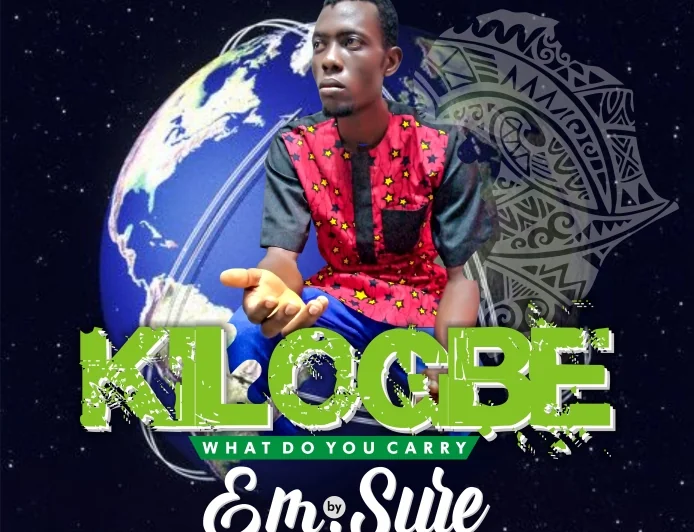




















“Kilogbe (What Do You Carry)” is more than just an Afrobeat song to me—it’s a message, a conversation, and a reminder wrapped in rhythm. When I was creating this track, I wasn’t just thinking about making something people could dance to; I was thinking about life, about the struggles we all face, and the kind of mindset we need to survive and grow, especially where we come from.

The title itself—Kilogbe—means “what do you carry?” And that question is deep. It’s not just about physical things. I’m asking: what values do you carry? What mindset do you carry? What kind of energy do you bring into your hustle, your relationships, your daily life? Because at the end of the day, what you carry inside reflects in everything you do outside.
Advertisement 👇
In the song, when I say “everything you do better do good and hustle hard because no food for lazy man,” that line comes straight from reality. Nobody is coming to save you. Where we are, you have to wake up and push. You have to put in the effort, stay consistent, and keep moving even when it’s tough. Laziness is expensive—you might think you’re resting, but you’re actually falling behind. And the world doesn’t wait.
But I didn’t just want to preach hustle for hustle’s sake. I added “everything you do better do good” because how you hustle matters. There are many ways to make money, but not all of them bring peace. Not all of them build a future you can be proud of. I’m encouraging people to do things the right way—to stay grounded in integrity, even when it feels slower. Because in the long run, doing good pays more than shortcuts.
Another important part of the song is where I talk about listening to elders. That line—“listen to elders because motto wey go front can go back”—is rooted in wisdom we sometimes ignore. In today’s world, everybody wants to feel like they know everything. Social media makes it easy to think you’ve seen it all. But truth is, there are people who have lived through things we haven’t even imagined yet.
When I say “motto wey go front can go back,” I’m reminding us that life is not always forward movement. You can be doing well today and struggle tomorrow. You can be ahead now and fall behind later. That’s why humility is important. That’s why learning from people who have experienced ups and downs is powerful. They can guide you, warn you, and sometimes save you from mistakes you don’t even see coming.
Musically, I chose Afrobeat because it connects easily with people—it carries energy, groove, and emotion. Afrobeat allows the message to travel further because while your body is moving, your mind is also receiving something deeper. You might first vibe to the beat, but later, you start to think about the words. That balance is important to me.
“Kilogbe” is also about accountability. I’m not just talking to others—I’m talking to myself too. Every artist, every hustler, every young person trying to make it—we all have moments where we feel tired, distracted, or even tempted to take the easy way out. This song is like a checkpoint. It’s asking: are you still on the right path? Are you still carrying the right values?
Another layer of the song is self-awareness. When I ask “what do you carry?” I want people to reflect. Are you carrying excuses? Fear? Bad habits? Or are you carrying discipline, vision, and purpose? Because two people can be in the same situation, but what they carry inside determines where they end up.
I also wanted the song to feel relatable. I used simple, everyday language—things we hear from parents, elders, and people around us growing up. Lines like “no food for lazy man” are not new, but they hit differently when you really understand them. Sometimes, the most powerful truths are the simplest ones.
At its core, “Kilogbe” is advice, but not the kind that feels heavy or forced. It’s the kind you can vibe to, sing along with, and still learn from. It’s for the streets, for the youth, for anyone trying to find their way and build something meaningful.
So when you listen to the song, I want you to enjoy it—but I also want you to think. Think about your hustle. Think about your choices. Think about the people you listen to and the direction you’re going.
Because at the end of the day, life will always ask you the same question:
Kilogbe? — What do you carry?