![Not All Dogs Has Poison To Kill Human [See Why]](https://spotivik.com/uploads/images/202603/image_430x256_69a4508618909.webp)


















![Richinfaith - Baba Show Me the Way [feat. Romke]](https://spotivik.com/uploads/images/202603/image_430x256_69aa9677bd30b.webp)























Not All Dogs Has Poison To Kill Human [See Why]
Naturally dogs are not poisonous but somethings can result that, that is why we arranged this article to conquer your thinking.
Share To Your Friends👇
![Not All Dogs Has Poison To Kill Human [See Why]](https://spotivik.com/uploads/images/202603/image_870x_69a450838a7df.webp)

How Much Does It Cost to Promote a Song in Nigeria? (Up...
Cost of music promotion in Nigeria explained for 2026. Discover how much it cost...
Do Dogs Have Poison That Can Kill Humans? The Myth, the Science, and the Real Risks
You might've heard someone say a dog has "poison" in its mouth, or that certain breeds carry something deadly in their saliva. It sounds scary, and the wording makes it feel like a snakebite story. The truth is calmer and clearer: dogs don't produce poison or venom designed to kill humans.
What people often mean is that dog bites can still be dangerous, because of deep wounds, infection, and (in rare cases) disease exposure. In this post, you'll learn what a dog can't do (no venom glands), what can happen after a bite, and what to do to stay safe around any dog without turning every interaction into a panic moment.

Do any dogs have poison or venom that can kill a human? The science says no
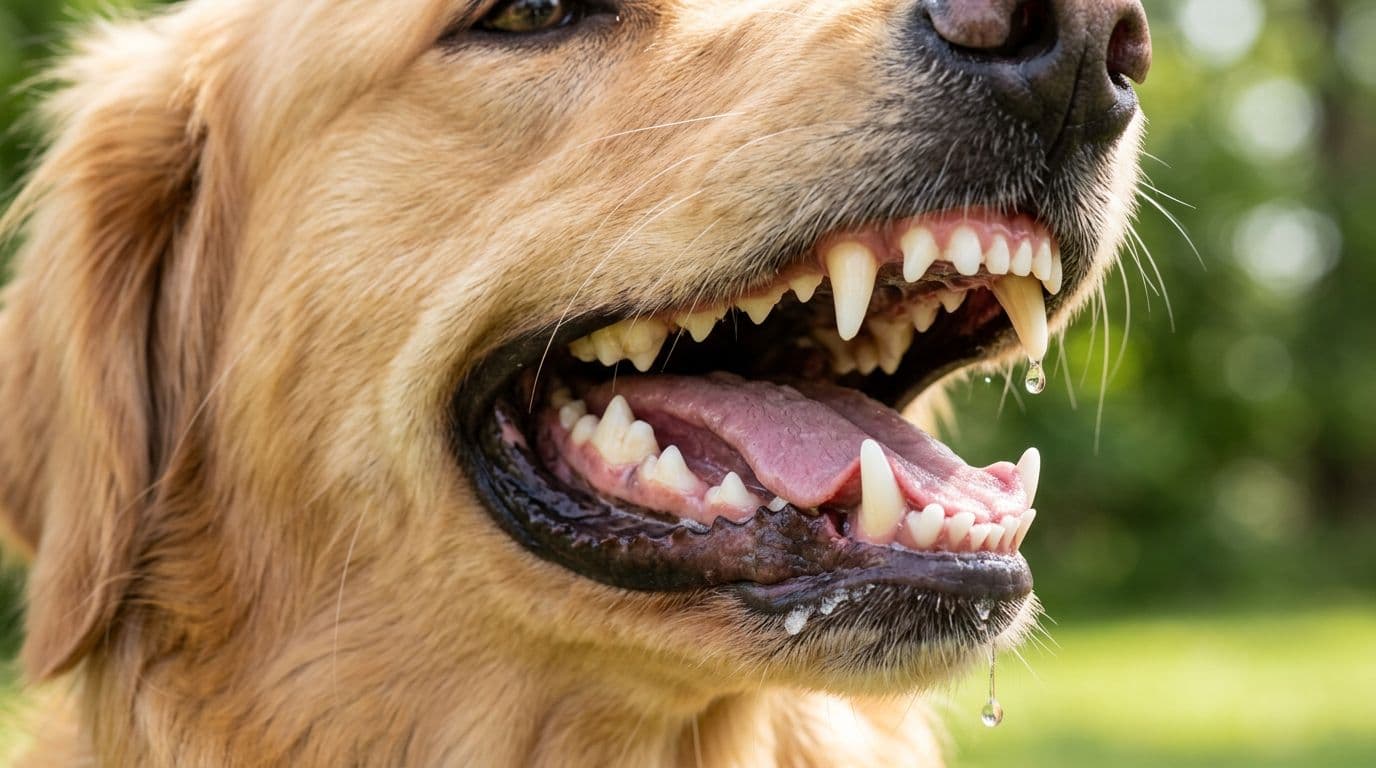 What dog saliva looks like up close, normal saliva is not "poison," but germs can still matter (created with AI).
No dog breed makes venom or poison for attack or defense. That's not an opinion, it's basic biology. Venomous animals have specialized structures, usually venom glands and delivery systems (like fangs or spines) built to inject toxins. Dogs don't have those glands. They have salivary glands, which help with chewing and digestion.
So where does the rumor come from? A few places. First, the word "poison" gets used as a stand-in for "dangerous." Second, infections after bites can be serious, so people reach for dramatic language. Third, rabies stories stick in memory, even though vaccination has made dog-to-human rabies in the US uncommon.
That said, "not poisonous" doesn't mean "harmless." A bite can tear skin, crush tissue, and leave bacteria trapped under the surface. Even a small puncture can become a problem if it closes quickly on top.
To keep terms straight, it helps to know how wildlife experts define venom risks. For example, the University of Florida's wildlife guidance explains common venom questions in plain language, see their venomous snake FAQs for a simple baseline on what venom is and how it works.
Poison vs venom vs germs, why the words get mixed up
Poison harms you when you eat it, inhale it, or absorb it through skin. Think spoiled food, carbon monoxide, or poison ivy oils on your skin.
Venom harms you when an animal injects it into your body. Think rattlesnakes, scorpions, or some spiders.
Germs (bacteria and viruses) are living organisms that can cause infection. They aren't a "toxin" made by the dog. They're just microbes that can hitch a ride.
Dogs can hurt people, but not by secreting poison.
Why some people think dog saliva is "poison," and what is actually true
Dog mouths can contain bacteria, just like human mouths. If teeth break skin, those bacteria can enter tissue. That's why bites sometimes get infected.
Saliva itself isn't toxic, and it's not a weapon. Still, avoid letting dogs lick open cuts, especially if you have a weak immune system. Also, rabies is a virus spread through saliva from infected animals. In the US, routine pet vaccination keeps dog rabies rare, but any bite from an unknown or unvaccinated animal deserves medical guidance.
What can really hurt a human after a dog bite (and why it is not poison)
A dog bite is a mechanical injury first. Teeth can puncture, tear, and crush. That damage can bleed a lot, especially on the face or scalp. Hands are another trouble spot, because tendons and joints sit close to the surface.
The second issue is infection. Bacteria can enter deep tissue through narrow punctures. Then the surface seals, trapping germs where soap and air can't reach. That's why some bites look "small" yet worsen over 24 to 72 hours.
The third issue is disease evaluation, mainly rabies exposure. This depends on the animal's vaccination status, whether the bite was provoked, and local public health guidance. A clinic may also check your tetanus status.
Recent US estimates show how common bites are: more than 4.5 million dog bites occur each year, with about 885,000 people seeking medical care and around 370,000 needing emergency treatment. Fatal attacks are still uncommon, but they have risen in recent years, with 96 deaths reported in 2023. Those are tragedies, yet they're not caused by "poison." They're caused by severe trauma, blood loss, and complications.
A bite can be serious even when the dog isn't "mean." Fear, pain, guarding food, and rough play can all lead to bites.
Also, aggression isn't a "poisonous breed" trait. Behavior depends on genetics, socialization, training, health, and the situation.
Infection is the big worry, how bacteria get into a bite wound
Teeth push bacteria below the skin. Punctures can act like tiny tunnels. Meanwhile, crushing can damage tissue, reducing blood flow that normally helps fight germs.
Basic first aid helps a lot:
- Rinse the wound under running water.
- Wash gently with soap and water.
- Apply pressure to stop bleeding.
- Cover with a clean bandage.
- Get medical care for anything deep, painful, or on the hands, face, or near a joint.
Don't self-prescribe antibiotics. A clinician decides what's needed based on the wound and your health history.
For contrast, notice how different true venom injuries are in veterinary medicine. Mississippi State University's veterinary materials discuss pit viper envenomation in dogs, which is a good reminder that dogs are typically the victims of venom, not the source, see crotalid envenomation in dogs (MSU VetMed PDF).
When a bite becomes an emergency, quick signs to take seriously
Seek urgent care or ER help if you notice:
- Bleeding that won't stop after firm pressure
- Severe pain, or trouble moving fingers, hand, or jaw
- Numbness, pale skin, or swelling that's getting worse fast
- Fever, pus, or redness spreading away from the bite
- Red streaks moving up the limb
- Bites to the face, neck, or genitals
- Any bite in a young child, older adult, or someone immunocompromised
- A bite from an unknown animal, or a pet with unclear rabies vaccination
A clinic may update tetanus and decide if rabies evaluation is needed. If you can do so safely, get the owner's contact info and the dog's vaccination details.
Staying safe with dogs, and a quick myth-busting checklist you can share

Photo by Hiếu Lê
Most dogs aren't a threat when people treat them with respect. Problems usually show up when a dog feels trapped, startled, or pushed past its comfort zone. So, prevention is less about "spotting a poisonous dog" and more about reading the moment.
Here's a simple checklist you can share:
- Dogs don't have poison or venom that kills humans.
- Bites can still be dangerous because of injury and infection.
- Vaccines and quick care reduce rabies and complication risks.
- Good supervision prevents many bites involving kids.
If you want a concrete example of venom science, it's helpful to read case literature about snake envenomation in dogs. It highlights what real venom exposure looks like, see this timber rattlesnake envenomation case abstract.
Simple rules for kids and adults that prevent most bites
Ask before petting, even if the dog looks friendly. Give the dog space while it eats, sleeps, or chews a toy. Keep kids close, because fast hugs and face-level contact can trigger fear.
Watch for warning signs like a stiff body, growling, tucked tail, or "whale eye" (white of the eye showing). If a loose dog runs up, stand still with hands at your sides and avoid staring.
FAQ: Dogs, "poison," and bite safety (quick answers)
Can a dog's saliva kill you? No, saliva isn't poison, but bites can infect wounds.
Are any dog breeds venomous? No, dogs don't have venom glands.
Is a dog lick dangerous? Usually no, avoid licks on broken skin.
Do dog bites always get infected? No, but punctures and hand bites raise risk.
Should I go to the ER for a small bite? Go if it's deep, on hands/face, or worsening.
What if I don't know the dog's rabies vaccine status? Get medical advice the same day.
Does rabies come from "poison"? No, rabies is a virus, not a toxin.
Can I treat a bite at home only? Clean it fast, but get care if it's more than a scratch.
Do "aggressive" dogs have toxic mouths? No, aggression is behavior, not poison.
What's the safest way to avoid bites? Respect space, supervise kids, and learn body language.
Conclusion
No dog has poison or venom meant to kill humans. The real risks after a bite are injury and infection, plus rare disease concerns depending on vaccination status and local guidance. Focus on prevention, responsible pet ownership, and fast wound care when bites happen. If this myth shows up in your feed or group chat, share the facts so people stay informed instead of scared. This article is educational and doesn't replace medical advice from a clinician.
What's Your Reaction?
 Like
0
Like
0
 Dislike
0
Dislike
0
 Love
0
Love
0
 Funny
0
Funny
0
 Angry
0
Angry
0
 Sad
0
Sad
0
 Wow
0
Wow
0



![Richinfaith - Baba Show Me the Way [feat. Romke]](https://spotivik.com/uploads/images/202603/image_140x98_69aa967857bf1.webp)