
![Not All Dogs Has Poison To Kill Human [See Why]](https://spotivik.com/uploads/images/202603/image_430x256_69a4508618909.webp)



















![Richinfaith - Baba Show Me the Way [feat. Romke]](https://spotivik.com/uploads/images/202603/image_430x256_69aa9677bd30b.webp)























Your Brain Shrinks If You Don't Drink Water, Do You Know
If you don't drink water your brain will shrink, but does dehydration really do that? Its what we discussed here
Share To Your Friends👇


How Much Does It Cost to Promote a Song in Nigeria? (Up...
Cost of music promotion in Nigeria explained for 2026. Discover how much it cost...
You wake up with a dry mouth, a dull headache, and that heavy, slow "brain fog." You might blame sleep or stress, but there's a simpler possibility: you're mildly dehydrated.
Here's the surprising part. MRI studies suggest that going without enough fluids for about 12 to 16 hours can slightly reduce measured brain volume, often around 0.3% to 0.6%. That sounds scary at first, but for most healthy people it's usually a short-term fluid shift, not permanent damage, and it can improve after you rehydrate.

Below, you'll learn what "brain shrinkage" really means, why dehydration can trigger headaches and cloudy thinking, and how to stay hydrated without obsessing over every sip.
https://www.youtube.com/watch?v=uzUEiVKQzJk
Does your brain really shrink if you do not drink enough water?
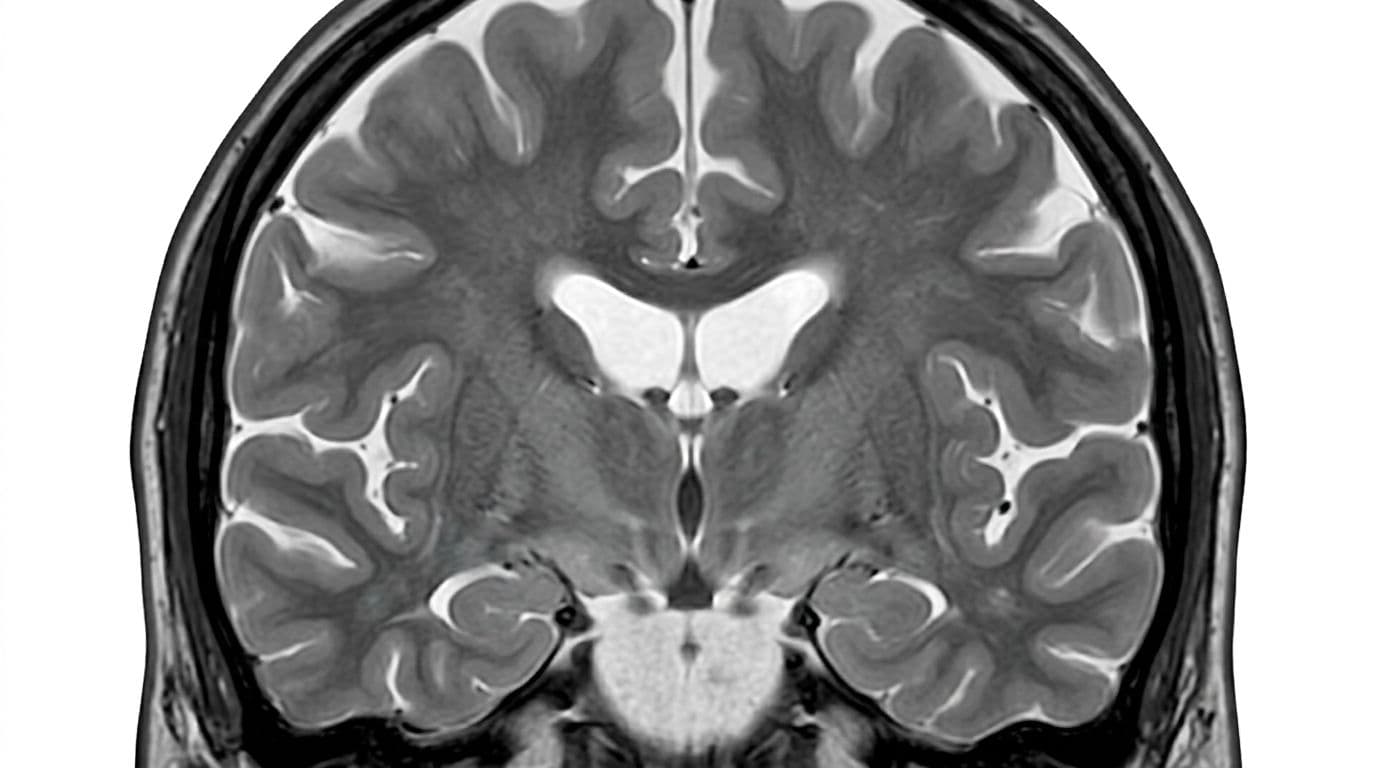 An MRI-style view showing how mild dehydration can change measured brain volume, created with AI.
Dehydration is simple: you lose more fluid than you take in. That can happen overnight, during long meetings, after a workout, or on a travel day when you "forget" to drink.
Your brain is water-rich, and it reacts fast to changes in body water. When you're low on fluids, MRI scans can show small shifts in brain volume and changes in the fluid-filled spaces inside the brain (the ventricles). Think of it like a grape that's slightly less plump, not a raisin.
Importantly, these studies are looking at short-term changes. They are not saying your brain permanently shrinks because you missed a few glasses of water yesterday. In most cases, rehydration helps the body rebalance water and salts, and the brain's measurements move back toward baseline.
What "brain shrinkage" means in studies (and why it is not the same as brain damage)
In dehydration research, "brain shrinkage" usually means a small drop in measured brain volume on MRI after a period of fluid restriction. Several papers report changes in the ballpark of 0.3% to 0.6% after roughly 12 to 16 hours of mild dehydration.
Researchers also often see the ventricles expand a bit. That makes sense, because if brain tissue holds slightly less water, the fluid spaces can look a little larger. One place to explore the details is this open-access review of acute dehydration and brain morphology on the NIH site: acute dehydration effects on brain structure (NIH PMC).
The key point: these findings describe fluid shifts, not brain cells dying off overnight. Rehydration can bring function and measurements back toward normal. Chronic, repeated dehydration is a different conversation, and it deserves more attention than a single "forgot my water bottle" day.
How dehydration pulls water from brain cells and makes your brain work harder
When you don't drink enough, your blood becomes more concentrated. To keep salt levels balanced, your body shifts water between compartments, including pulling water out of cells. As a result, cells can shrink slightly, and that includes brain cells.
Even small changes can feel big in real life. You might still "pass" the day, but it can take more effort to do the same tasks. A long meeting feels longer. Driving in heavy traffic feels more draining. Test-day focus slips, and you reread the same sentence twice.
If you feel mentally slower for no clear reason, try water early. It's one of the easiest variables to fix.
For readers who want a deeper technical angle on how dehydration and rehydration affect brain measurements, this paper discusses the relationship between dehydration-related volume change and MRI signals: brain volume change with dehydration and rehydration (ScienceDirect).
Brain fog and dehydration headaches, the signs people miss
 An everyday dehydration headache scenario at work, created with AI.
People often wait for extreme thirst before they take hydration seriously. The problem is that dehydration can show up first as "soft" symptoms: fog, irritability, and a nagging headache that feels like tension.
Headaches are one of the most common clues. Brain fog is another. Together, they can look like stress, low sleep, too much screen time, or caffeine withdrawal. Sometimes it's those things, but dehydration stacks on top and makes everything feel worse.
Here's a simple severity ladder to help you spot it early:
| Level | What it can feel like | What to do first |
|---|---|---|
| Mild | Thirst, dry mouth, darker urine, slightly tired | Drink water, eat normally |
| Moderate | Headache, dizziness when standing, low focus, irritability | Water plus a salty snack if sweating |
| Severe | Confusion, fainting, very rapid heartbeat, inability to keep fluids down | Get medical help urgently |
Most people sit in the mild to moderate range. That's good news, because small actions often help quickly.
Why dehydration can trigger headaches (and why water sometimes fixes it fast)
Dehydration headaches can happen for a few reasons. Lower fluid levels can reduce blood volume, which may affect blood flow and oxygen delivery. Electrolytes can drift out of balance, especially if you've been sweating. Your nervous system can also become more sensitive to pain signals when your body is stressed.
A practical "try this first" plan:
- Drink water steadily (don't chug a huge amount).
- Rest your eyes and body for a few minutes.
- If you've been sweating, eat something with salt (broth, pretzels, a normal meal).
- Skip alcohol for now, since it can worsen dehydration.
- Reassess in 30 to 60 minutes.
If you get a sudden "worst headache," confusion, fainting, chest pain, or severe weakness, don't try to tough it out. Seek medical care.
A quick self-check: urine color, thirst, and the most common dehydration symptoms
You don't need fancy gadgets to estimate hydration. Use a quick body check:
- Urine color: pale yellow usually means you're in a good range.
- Dry mouth and cracked lips: common early signs.
- Tiredness and low focus: especially mid-afternoon.
- Dizziness: worse when you stand up quickly.
- Irritability: feeling "snappy" for no reason.
- Constipation: dehydration can slow digestion.
Thirst isn't perfect, especially for older adults, but it still matters. If thirst shows up, you're already behind.
For more context on how dehydration and rehydration can change brain measurements in MRI research, this open-access study is useful: MRI findings on dehydration and rehydration (Frontiers in Nutrition).
How to stay hydrated for better focus and fewer headaches (without overdoing it)
 Simple, realistic hydration in daily life, created with AI.
Hydration advice gets weird online fast. You don't need perfection. You need steady intake that matches your day.
A common reference in the US is total daily fluid intake (from drinks plus food): about 2.7 liters (11.5 cups) for women and 3.7 liters (15.5 cups) for men. Since roughly 20% can come from food, that often works out to about 9 cups of fluids from beverages for women and 13 cups for men, depending on diet.
How much water do you actually need each day, and what changes that number
Your needs rise when fluid losses rise. Heat, humidity, and exercise are the big ones. Illness (fever, vomiting, diarrhea) can also drain you quickly. Pregnancy and breastfeeding change needs too. Higher altitude and a larger body size can push needs up.
If you exercise and sweat, add about 1 to 2 cups per hour as a starting point, then adjust based on thirst and urine color. Also, try to sip through the day. When you wait until night and chug, sleep suffers, and you'll still feel dry in the morning.
Smart hydration habits that fit real life (plus the one risk most people forget)
These habits help without turning hydration into a hobby:
- Drink with meals so intake happens automatically.
- Keep a bottle visible at your desk or in your car cup holder.
- Flavor water lightly with lemon, cucumber, or a splash of juice.
- Use gentle reminders during busy work blocks.
- Eat water-rich foods like fruit, soups, yogurt, and vegetables.
- Go extra on sweaty days and pair water with some salt in food.
Two quick myth checks: moderate coffee and tea still count toward fluids for most people, and "8 glasses a day" isn't a rule for everyone.
One real risk deserves respect: too much water too fast can dilute sodium in your blood (hyponatremia). This is most common in endurance athletes, or in people with kidney or heart issues who drink large amounts quickly. If you're sweating for hours, consider a balanced electrolyte drink or salty foods, not just plain water.
SEO FAQ: Dehydration, brain shrinkage, and headaches
1) Does dehydration really shrink your brain?
Mild dehydration can slightly reduce measured brain volume on MRI, often around 0.3% to 0.6% after 12 to 16 hours.
2) Is dehydration brain shrinkage permanent?
For most healthy people, it's usually reversible after rehydration because it's mainly a fluid shift.
3) How fast can dehydration affect brain function?
Some people notice focus and mood changes within hours, especially after sweating or skipping fluids overnight.
4) Can dehydration cause brain fog even without thirst?
Yes. Thirst is an imperfect signal, and brain fog can show up before you feel very thirsty.
5) Why does dehydration cause headaches?
Lower fluid levels can affect blood flow, electrolytes, and pain sensitivity, which can trigger headaches.
6) How do I know if my headache is from dehydration?
Clues include dark urine, dry mouth, recent sweating, and fast improvement after water plus rest.
7) What's the fastest safe way to rehydrate?
Sip water steadily, eat a normal meal, and add salt if you've been sweating. Avoid chugging huge volumes.
8) Does coffee dehydrate you?
In normal amounts, coffee usually still contributes to daily fluid intake for most adults.
9) How much water should I drink a day in the US?
A common guideline is about 11.5 cups total fluids daily for women and 15.5 for men, including food and drinks.
10) When should I see a doctor for dehydration symptoms?
Get help for confusion, fainting, inability to keep fluids down, or a sudden severe headache.
Conclusion
If you don't drink enough water, your brain can "shrink" a little on MRI, usually around 0.3% to 0.6% after 12 to 16 hours. That small shift can still feel huge as brain fog, slower thinking, and dehydration headaches. The good news is that steady rehydration often helps, and you don't need perfect water tracking to feel better. Start with the urine-color check, drink regularly through the day, and match fluids to heat and activity. If severe symptoms show up, or headaches keep coming even with good hydration, talk with a clinician to rule out other causes.
What's Your Reaction?
 Like
0
Like
0
 Dislike
0
Dislike
0
 Love
0
Love
0
 Funny
0
Funny
0
 Angry
0
Angry
0
 Sad
0
Sad
0
 Wow
0
Wow
0



![Richinfaith - Baba Show Me the Way [feat. Romke]](https://spotivik.com/uploads/images/202603/image_140x98_69aa967857bf1.webp)